7 Warning Signs Your Roof Needs Protection Before It Is Too Late

Most Gulf Coast homeowners do not realize their roof is failing until water is dripping through the ceiling. By then, a $3,000 coating job has become a $20,000 emergency replacement. The good news is that your roof gives clear warning signs before catastrophic failure occurs. Knowing what to look for can save you thousands of dollars and prevent the stress of emergency repairs during hurricane season.
After inspecting hundreds of roofs across Gulfport, Biloxi, Ocean Springs, and the Mississippi Gulf Coast, I have identified the seven most common warning signs that indicate your roof needs professional attention. Some of these signs are visible from the ground, while others require a closer look. All of them demand action before small problems become expensive disasters.
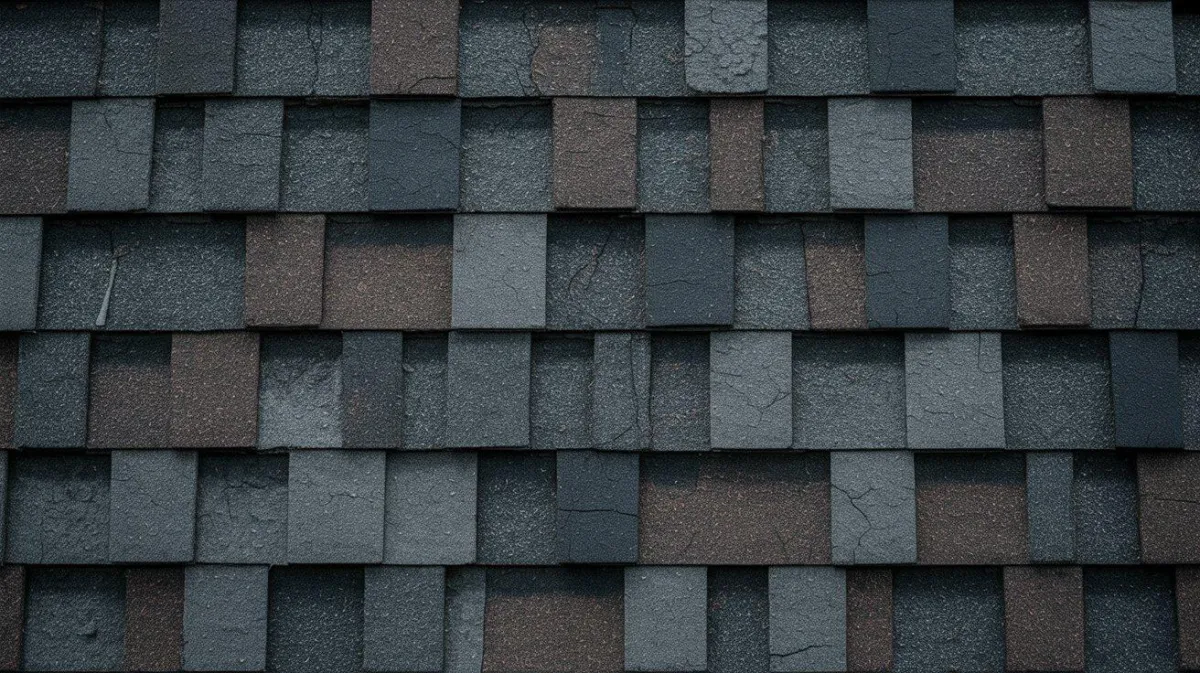
Warning Sign 1: Granule Loss on Asphalt Shingles
Those tiny colored particles on your shingles are not just decorative. Granules protect the asphalt underneath from UV radiation, which is particularly intense on the Gulf Coast. When granules start falling off, your shingles lose their primary defense against the sun.
How to spot it: Check your gutters and downspouts after rain. If you find accumulations of sandy, gritty material, those are granules from your shingles. You may also notice bare spots on shingles where the black asphalt shows through, or inconsistent coloring across your roof surface.
Why it matters: Once granules are gone, UV rays rapidly degrade the asphalt layer. In Mississippi summers, unprotected shingles can deteriorate in as little as 2 to 3 years. The result is cracking, curling, and eventual water intrusion.
What to do: If granule loss is moderate (less than 30% of shingle surface),nano roof coating can seal the remaining granules in place and provide a new protective layer. This extends roof life 10 to 15 years at a fraction of replacement cost. Severe granule loss may require more extensive intervention.
Warning Sign 2: Cupping & Curling Shingles

Shingles should lay flat against your roof deck. When they start curling at the edges or buckling in the middle, it indicates moisture damage, inadequate ventilation, or age-related deterioration. Curled shingles are vulnerable to wind uplift during storms and allow water to penetrate underneath.
How to spot it: From the ground, look for shingles that appear wavy or have edges lifting away from the roof surface. The problem is often most visible on south-facing roof sections where sun exposure is greatest. Binoculars can help you see details from a safe distance.
Why it matters for Gulf Coast homes: Curled shingles and hurricane-force winds are a dangerous combination. Even tropical storms with 50 to 60 mph winds can rip curled shingles off your roof, exposing the underlayment and deck to water damage. Once one shingle goes, others follow quickly.
What to do: Early-stage curling can often be addressed with professional coating that bonds the shingle edges back down and creates a unified protective membrane. Advanced curling typically requires spot repairs before coating or, in severe cases ,consideration of replacement options.
Warning Sign 3: Dark Streaks or Staining

Those black streaks running down your roof are not dirt or tree sap. They are colonies of algae called Gloeocapsa magma, which thrive in the warm, humid conditions found throughout coastal Mississippi. While algae itself does not immediately damage shingles, it indicates conditions that accelerate roof deterioration.
How to spot it: Dark streaks typically appear on north-facing roof sections first, where shade and moisture create ideal growing conditions. The streaks often run vertically down the roof following rainwater paths. Green patches indicate moss growth, which is more damaging than algae.
Why it matters: Algae feeds on the limestone filler in asphalt shingles, gradually breaking down the material. More importantly, algae-covered roofs absorb more heat, increasing cooling costs and accelerating thermal stress on shingles. Moss growth is worse because moss roots actually penetrate shingle material.
What to do: Professional cleaning followed by protective coating eliminates existing growth and prevents recurrence. The hydrophobic properties ofnano coating technologycreate a surface where algae and moss cannot establish themselves. This is far more effective than zinc strips or DIY cleaning solutions.
Warning Sign 4: Visible Roof Deck Sagging
A sagging roofline is one of the most serious warning signs because it indicates structural problems, not just surface wear. Sagging typically results from prolonged water damage to the roof deck, inadequate structural support, or excessive weight from multiple roof layers.
How to spot it: Stand across the street from your home and look at your roofline. It should be straight and level. Any dips, waves, or low spots indicate problems underneath. From inside your attic, look for daylight coming through the deck or water stains on rafters.
Why it matters: Sagging creates low spots where water pools instead of draining. This ponding water accelerates deterioration and can eventually cause the deck to fail completely. During heavy Gulf Coast rains, a compromised deck can collapse without warning.
What to do: Sagging requires professional inspection to determine the cause and extent of damage. Minor deck damage can sometimes be repaired before coating application. Significant structural issues may require deck replacement before any protective measures can be effective. A free drone inspection can reveal the full scope of the problem.
Warning Sign 5: Damaged or Missing Flashing
Flashing is the metal material installed around chimneys, vents, skylights, and roof edges to prevent water intrusion at transition points. These areas are the most vulnerable parts of any roof system because they involve joints between different materials or changes in roof plane.
How to spot it: Look for rust, gaps, or missing sections around any roof penetration. Check where your roof meets walls, around dormers, and along valleys where two roof sections meet. Damaged flashing often shows as rust stains running down from the affected area.
Why it matters: Up to 90% of roof leaks originate at flashing locations rather than in the field of shingles. Even small gaps allow wind-driven rain to penetrate, causing interior damage that may not become visible until significant rot has occurred in walls and ceilings.
What to do: Flashing repairs should be completed before any coating application. Professional coating then seals the transition between flashing and roofing material, creating continuous waterproof protection. This combination addresses both the immediate problem and prevents future failures.
Warning Sign 6: Interior Water Stains or Moisture

Water stains on ceilings or walls are obvious signs of roof problems, but they often appear far from the actual leak location. Water travels along rafters, sheathing, and insulation before finding a path to your living space. By the time you see staining, damage has been occurring for weeks or months.
How to spot it: Look for brown or yellow rings on ceilings, especially after heavy rain. Check corners where ceilings meet walls. In attics, look for damp insulation, water trails on rafters, or mold growth. Musty odors can indicate hidden moisture problems.
Why it matters: Interior moisture leads to mold growth, which poses health risks and requires expensive remediation. Prolonged moisture also rots framing members, damages electrical systems, and destroys insulation effectiveness. What starts as a minor roof issue becomes a major renovation project.
What to do: Address interior moisture immediately by identifying and fixing the source. Once repairs are complete, protective coating prevents recurrence by creating a seamless waterproof barrier. For Gulf Coast homes, this is particularly important given our average annual rainfall of 60 to 65 inches.
Warning Sign 7: Your Roof Is Approaching 15 Years Old
Even without visible damage, age alone is a significant risk factor for Gulf Coast roofs. The combination of intense UV exposure, high humidity, salt air (for coastal properties), and regular severe weather takes a toll that accelerates as roofs age. A roof that looks fine at 12 years can deteriorate rapidly over the next 3 to 5 years.
How to check: Review your home purchase records, building permits, or ask previous owners. If you cannot determine the installation date, a professional inspector can estimate age based on shingle condition, weathering patterns, and material type.
Why it matters: Proactive protection at the 12 to 15 year mark can extend your roof life another 10 to 15 years. Waiting until problems develop means repairs are more extensive and expensive. The math is simple: coating a roof in good condition costs $2,700 to $5,250 for a typical 2,000 square foot home using our Revive coating at $1.35 per square foot or Shingle Saver at $1.75 per square foot. Replacing that same roof costs $15,000 to $25,000.
What to do: Schedule an inspection before your next hurricane season. Even if no immediate work is needed, you will have baseline documentation of your roof condition and a timeline for future protection. Learn more about how long nano coating protection lasts.
The Gulf Coast Factor: Why Local Conditions Accelerate Roof Damage
Mississippi Gulf Coast roofs face challenges that roofs in other regions do not encounter. Understanding these factors helps explain why proactive protection is particularly important for Gulfport, Biloxi, Ocean Springs, and Pass Christian homeowners.
Hurricane and Storm Exposure
We live in one of the most hurricane-prone regions in the country. Category 3 storms with 111 to 129 mph winds can devastate roofs that are already weakened by age or minor damage. Nano coating tested to withstand 120 mph winds provides meaningful additional protection when storms threaten.
Salt Air Corrosion
Properties within 3 miles of the beach experience accelerated corrosion from salt-laden air. This affects metal flashing, roofing nails, and even the composition of asphalt shingles. Salt-resistant coating creates a chemical barrier that protects against this constant exposure.
Extreme UV Exposure
Mississippi receives some of the highest UV radiation levels in the United States. This intense sun exposure breaks down roofing materials faster than in northern climates. UV-reflective coatings reduce this damage while also lowering cooling costs by reflecting solar heat.
High Humidity and Rainfall
Average annual humidity above 70% and 60 plus inches of yearly rainfall create perfect conditions for algae, moss, and mold growth. Waterproof coating eliminates the moisture that these organisms need to survive.
What Happens During a Professional Roof Inspection

Many homeowners avoid roof inspections because they expect high-pressure sales tactics or fear bad news. Our approach is different. We use drone technology to provide you with objective documentation of your roof condition without any obligation.
The Drone Inspection Process
Our commercial-grade 4K drones capture detailed aerial footage of your entire roof surface from multiple angles. This reveals problems that are invisible from the ground and eliminates the need for potentially damaging foot traffic on your roof.
During the inspection, we document the condition of shingles, flashing, vents, and all penetrations. We identify areas of concern and photograph them for your records. The entire process typically takes 30 to 45 minutes.
What You Receive
After the inspection, you receive complete 4K video footage of your roof that is yours to keep regardless of whether you proceed with any services. We provide honest assessment of what we find and clear recommendations based on your roof condition. If coating is appropriate, we explain exactly what is involved and provide transparent pricing. If replacement makes more sense, we tell you that directly.
This documentation is valuable for insurance purposes, home sale preparation, and your own peace of mind. You will know exactly what condition your roof is in and what options you have.
Coating vs. Repair vs. Replacement: Making the Right Choice
Not every roof is a candidate for coating. Here is how we determine the right approach:
Coating Is Ideal When:
Your roof is 5 to 20 years old with no structural damage
Shingles show wear but are still intact and properly attached
Problems are limited to surface issues like granule loss or minor curling
You want to extend roof life and improve protection without full replacement
Budget considerations make replacement impractical
Repairs Plus Coating Work When:
Damage is localized to specific areas
Flashing needs replacement but shingles are sound
A small number of shingles need replacement
Minor deck repairs are needed in limited areas
Replacement Is Necessary When:
Structural deck damage is widespread
Multiple layers of roofing exist (coating cannot properly bond)
More than 30% of shingles require replacement
Active leaks have caused extensive underlying damage
The roof is over 25 years old with severe deterioration
The cost difference between coating and replacement is significant. For a typical 2,000 square foot home, coating costs $2,700 to $3,500 while replacement runs $15,000 to $25,000. When coating is appropriate, it delivers substantial value.
Taking Action: Your Next Steps
If you have noticed any of the warning signs described in this guide, or if your roof is approaching the 15 year mark, now is the time to get a professional assessment. Waiting until problems become emergencies always costs more and causes more stress.
We offer free drone inspections to all Gulf Coast homeowners. There is no obligation and no pressure. You receive complete documentation of your roof condition and honest recommendations based on what we find.
Protect your home before the next hurricane season. Schedule your free inspection today by calling 228-328-8855 or visiting our online booking page.
Frequently Asked Questions
How do I know if my roof needs coating or replacement?
The condition of your roof deck and the extent of shingle damage determines whether coating is appropriate. If shingles are worn but still intact and properly attached, coating can extend roof life 10 to 15 years. If structural damage exists or more than 30% of shingles need replacement, full replacement may be necessary. A professional inspection reveals which option makes sense for your specific situation.
What are the first signs of roof damage?
The earliest signs of roof damage include granules accumulating in gutters, slight curling at shingle edges, dark streaks from algae growth, and minor flashing gaps. These issues are often invisible from the ground but clearly visible in drone inspection footage. Catching problems at this stage allows for cost-effective coating solutions rather than expensive repairs.
How often should I have my roof inspected?
Gulf Coast homeowners should have professional roof inspections annually, ideally before hurricane season begins in June. Additional inspections are recommended after any major storm event. For roofs over 10 years old, twice-yearly inspections in spring and fall help catch developing problems early.
Can roof coating fix existing leaks?
Coating alone cannot fix active leaks because the underlying cause must be addressed first. However, once repairs are completed, coating creates a seamless waterproof barrier that prevents future leaks. The combination of targeted repairs plus comprehensive coating provides the most durable long-term protection.
How much does roof coating cost compared to replacement?
Roof coating typically costs $1.35 to $1.75 per square foot for professional application in the Mississippi Gulf Coast area. For a 2,000 square foot roof, expect to invest $2,700 to $3,500. Roof replacement for the same home costs $15,000 to $25,000. When coating is appropriate for your roof condition, it provides 60 to 80 percent savings compared to replacement.

